Top 3 Tools to Track Your Virtual Assistants
Virtual assistants (VAs) are crucial for Shopify D2C businesses. They handle customer inquiries, process orders, manage tickets, and support daily operations.
However, many brands hire VAs without a clear system to measure performance. The result mostly is Inconsistent replies, Delayed responses, Diluted brand voice, and most importantly Frustrated customers.
The solution to this is effective VA performance tracking. It ensures your team is productive, brand-consistent, and delivering top-tier support.
We have tried to cover why tracking matters, the top tools for VA management, their limitations, and which is best suited for your Shopify D2C brand.
Why Tracking Your VA Matters
Tracking VA performance is not micromanagement, it’s quality assurance. Here’s why it’s crucial for D2C brands like yours:
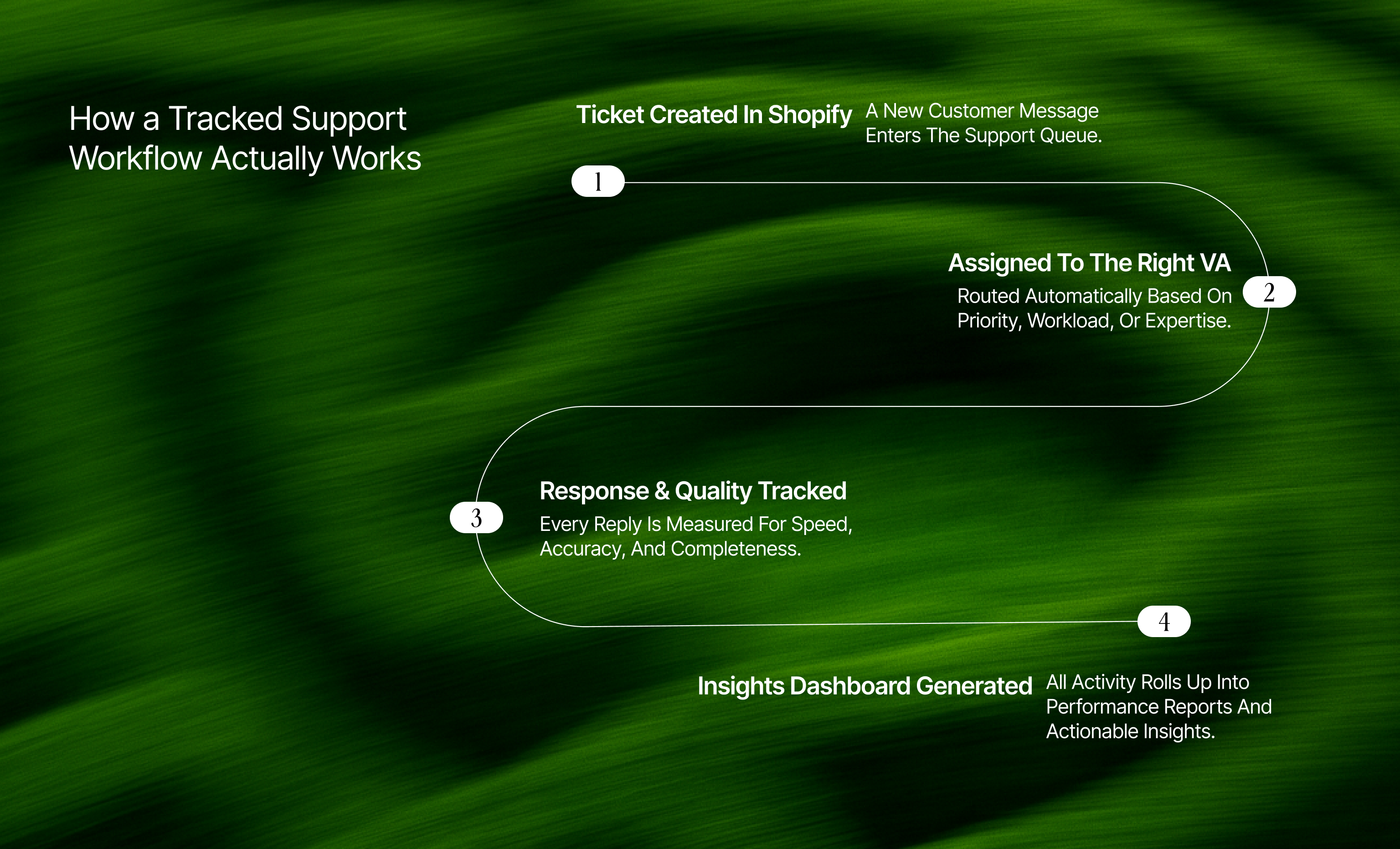
1. Consistent Customer Experience
Fast responses alone aren’t enough today. Your Virtual Assistant (VAs) must communicate accurately and in line with your brand voice because Performance tracking highlights gaps before they affect your customer loyalty.
2. Improved VA Productivity
Monitoring provides actionable feedback. VAs know what’s expected out of them, helping them stay engaged and motivated to deliver consistent service.
3. Optimized Workflows
Tracking identifies bottlenecks, allowing you to allocate tasks effectively and reduce downtim
4. Data-Driven Decision Making
With clear insights, you can make informed decisions about training, hiring, and scaling. You’re no longer guessing who needs coaching or which processes need improvement.
Top Tools to Track Your VA
Effective VA performance tracking tools allow you to measure productivity, quality, and impact. Here’s a detailed look at the top solutions.
1) Hubstaff
Hubstaff is a time-tracking and productivity tool for remote teams. It helps managers see how VAs spend time on tasks, apps, and websites.
Key Features:
- Time tracking for tasks and projects
- Activity monitoring across apps and websites
- Optional screenshots for accountability
- Project assignment, deadlines, and progress reports
- Detailed reporting in PDF/CSV format
- Mobile access for tracking on the go
Limitations:
- Measures hours worked, not quality of customer interactions
- No brand voice or sentiment analysis
Who it’s ideal for:
Small to medium D2C teams needing visibility into VA productivity and accountability.
2) Pivotal Tracker
Pivotal Tracker is a task and project management tool for organizing team workflows.
Key Features:
- Story-based task creation with priorities
- Kanban boards and visual workflow tracking
- Burndown charts and velocity reports
- Team collaboration and status updates
Limitations:
- Limited time-tracking features
- Does not monitor customer support quality or brand adherence
Who it’s ideal for:
Teams managing internal projects, content, or operations, not live customer support.
3) Time Tracker
What it is:
Time Doctor monitors remote team productivity, tracks task engagement, and identifies distractions.
Key Features:
- Time tracking across apps and tasks
- Screenshots and activity reports
- Distraction alerts
- Integrations with project management platforms
Limitations:
- Focuses on productivity, not support quality
- No sentiment tracking or brand monitoring
Who it’s ideal for:
Larger remote teams needing detailed insights into time and task engagement.
4) Kim.cc
What it is:
Kim.cc is a virtual assistant monitoring software tailored for Shopify D2C customer support teams. It tracks productivity and quality, ensuring brand consistency and high customer satisfaction.
Key Features:
- Brand voice adherence across chats, emails, and tickets
- Real-time ticket monitoring
- Customer sentiment analysis
- Metrics: first response time, resolution time, open tickets, escalations
- Actionable insights for coaching and team optimization
Limitations:
- Primarily for customer support teams
- Not suitable for internal project management
Who it’s ideal for:
Shopify D2C brands that want full visibility into VA performance, brand consistency, and customer satisfaction.
Quick Comparison Table
| Tool | Strength | Limitation | Best Use Case |
|---|---|---|---|
| Hubstaff | Time & productivity tracking | No brand or customer quality tracking | Small D2C teams needing task visibility |
| Pivotal Tracker | Project & task management | Limited time tracking, no support quality | Internal projects & operations |
| Time Doctor | Remote team productivity | No brand or customer sentiment monitoring | Larger remote teams, task engagement |
| Kim.cc | Customer support quality & brand voice | Focused on support teams | Shopify D2C support, brand adherence, customer satisfaction |
Final Thoughts
Virtual assistants are essential for Shopify D2C brands. But hiring them without tracking performance is risky.
- Hubstaff and Time Doctor help with productivity.
- Pivotal Tracker organizes internal workflows.
- Kim.cc ensures support quality, brand consistency, and customer satisfaction, making it the most comprehensive solution for customer-facing teams.
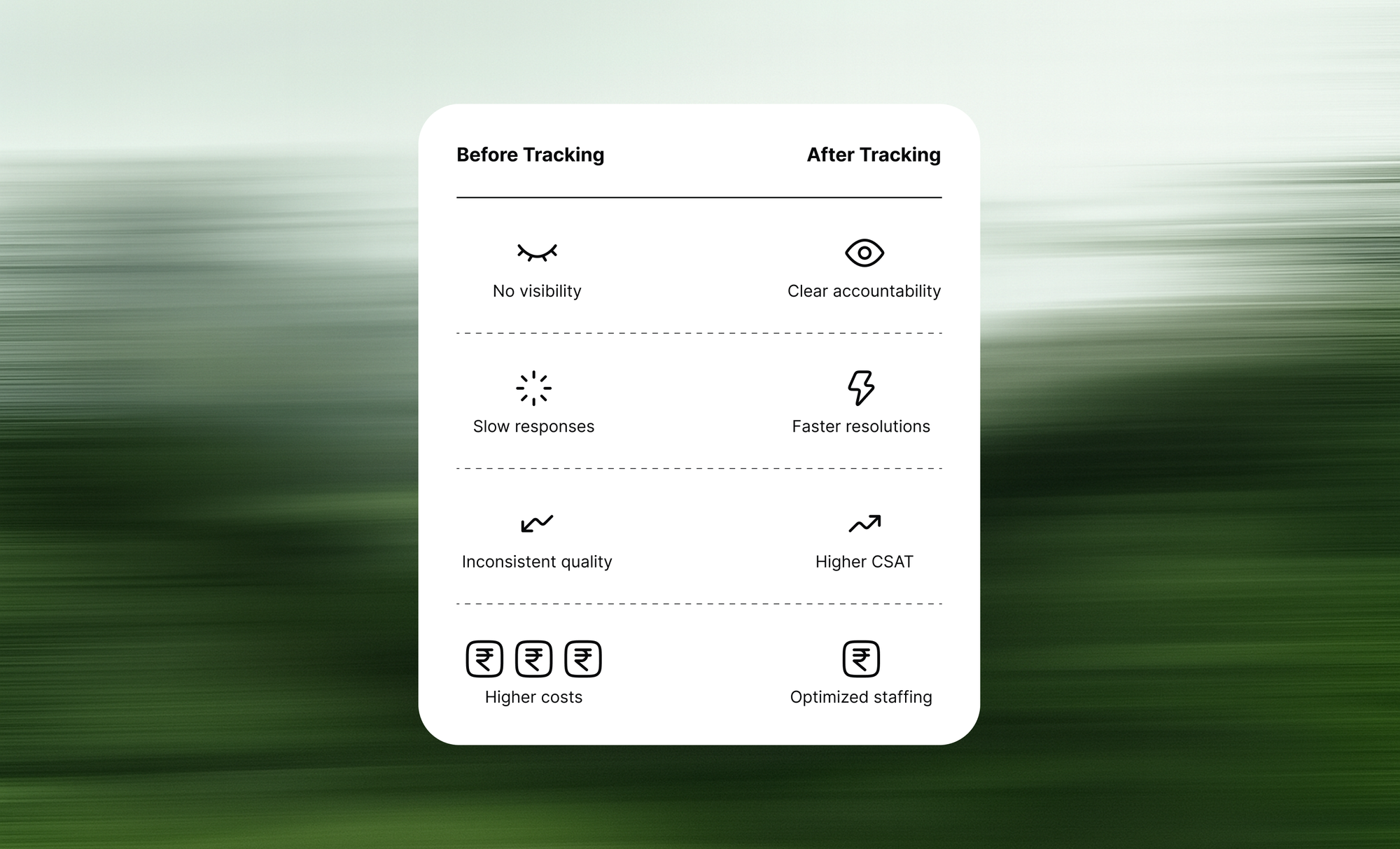
Even small improvements in VA tracking can enhance support quality, team efficiency, and customer loyalty. Combining tools, for example, Hubstaff for time tracking and Kim.cc for quality, can provide a complete view of your VA operations.
TL;DR
- Shopify D2C brands rely on VAs for customer support, but most don’t track performance effectively.
- Tracking ensures consistent support, brand adherence, and informed operational decisions.
- Hubstaff, Pivotal Tracker, Time Doctor, and Kim.cc each address different needs; Kim.cc excels in quality, sentiment, and brand voice monitoring.
- Proper VA tracking improves customer satisfaction, team efficiency, and long-term D2C growth.
If you're exploring ways to strengthen your customer support operations, consider trying a tool that doesn’t just track time!!